

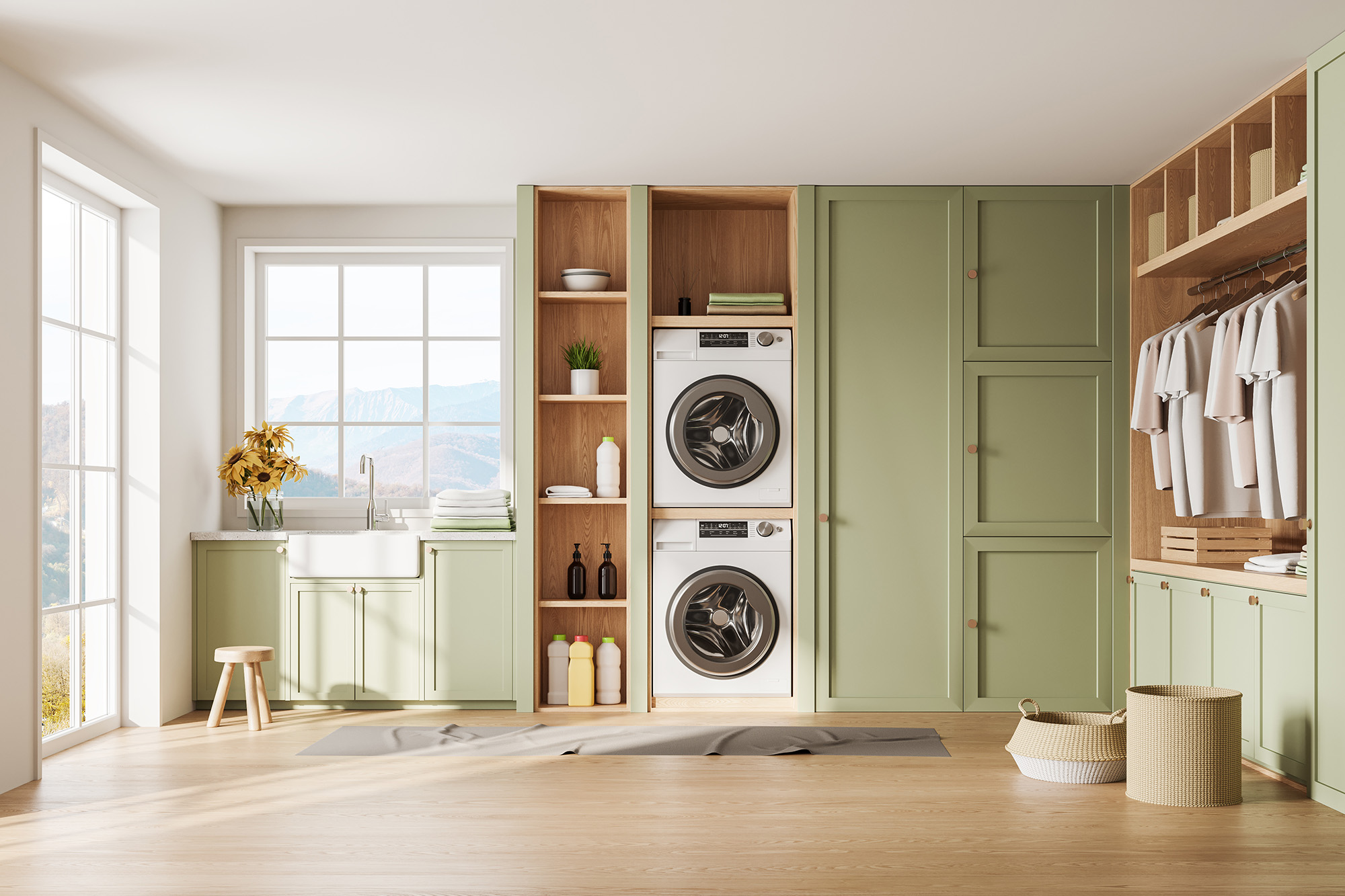
A laundry room may not be the first space homeowners think about when planning a flooring upgrade, but it deserves careful attention. Washing machines, utility sinks, detergent bottles, laundry baskets, and constant foot traffic make this room different from a typical bedroom or living area. The floor needs to work with the room's practical demands while still looking like part of a thoughtfully designed home.
For homeowners in Woodbridge and Stafford, Virginia, choosing laundry room flooring involves more than finding a surface that looks attractive. You need to consider spills, appliance movement, the condition of the subfloor, cleaning requirements, and how the room connects to nearby spaces. Luxury vinyl is one option worth evaluating, but carpet and hardwood may also have a role in adjoining areas or in laundry spaces with different layouts and conditions.
Understanding the strengths and limitations of each material can help you avoid common planning mistakes and create a laundry room that feels organized, durable, and consistent with the rest of your home.
Start With the Everyday Demands of a Laundry Room
Laundry rooms experience a different pattern of use from many other rooms. Water can drip from wet clothing, detergent may spill while being poured, and lint can collect around appliances. Washing machines may vibrate during spin cycles, while heavy appliances create concentrated loads on the floor beneath them.
The room's location also matters. A laundry area on the main level may connect directly to a hallway or kitchen, while an upstairs laundry closet may have limited floor space and tighter appliance clearances. A laundry room in a basement may require additional attention to moisture conditions and the suitability of the subfloor.
Before choosing a material, consider the room's current condition and how it will be used. Is there a utility sink? Does the washing machine have a history of leaking? Is the floor concrete, plywood, or another substrate? Will the room be renovated at the same time as the adjoining hallway? These details influence the appropriate flooring and installation method.
Why Luxury Vinyl Is Worth Considering
Luxury vinyl flooring is available in wood-look and stone-look designs, making it possible to create a coordinated appearance without choosing natural wood or stone for every area. Many luxury vinyl products are designed to resist water at the surface, which can be helpful in rooms where minor spills are part of everyday use.
Its design flexibility is another advantage. A light wood-look plank can help a compact laundry room feel brighter, while a stone-inspired pattern may suit a modern utility space with white cabinets, dark hardware, and simple shelving. More traditional designs can complement painted cabinetry and classic trim.
However, water resistance should not be confused with protection against every type of moisture problem. The performance of the complete floor depends on the product, its joints and edges, the installation method, and the conditions beneath it. Water can still affect the subfloor or surrounding construction if it enters through an appliance leak, wall, or floor opening.
For that reason, luxury vinyl should be selected according to the manufacturer's requirements for the intended room and subfloor. Review the available options through First American Carpet & Floors' luxury vinyl flooring collection and compare the product specifications before making a final decision.
Understand the Difference Between a Spill and a Leak
A small splash near the utility sink is different from a washing machine hose that releases water behind an appliance. The first may be a simple cleanup task; the second can allow moisture to remain trapped beneath or around the floor. Even flooring designed to resist water cannot eliminate the need to address plumbing problems quickly.
Check the condition of supply hoses, drain connections, and the area around the washing machine. Follow appliance manufacturer recommendations for installation and maintenance, and investigate recurring dampness rather than treating it as an ordinary cleaning issue.
After a significant leak, inspect the surrounding materials and address any moisture that has reached the subfloor or walls. Depending on the severity, professional assessment may be necessary before installing new flooring. Covering a wet or damaged substrate can conceal a problem rather than solve it.
When reviewing luxury vinyl products, ask how the particular installation system handles water exposure and what the manufacturer requires for perimeter gaps, seams, and transitions. Product claims should be interpreted in the context of the full installation rather than as a guarantee that the entire room will remain unaffected by water.
Plan the Floor Around the Washer and Dryer
Appliance placement is one of the most important details in a laundry room renovation. Washers and dryers are heavy, and they may need to be pulled out for servicing. The flooring must be suitable for the loads and installation conditions involved, and the appliance must remain properly supported and level.
Before choosing a product, confirm the flooring manufacturer's guidance for heavy appliances and the appliance manufacturer's installation requirements. Some flooring systems have restrictions on how fixed or heavy objects should be positioned. Floating floors, in particular, may require movement space and may not be designed to have certain fixed objects installed directly on top of them.
Do not assume that a new floor can simply be installed beneath every appliance without checking the details. The appropriate sequence depends on the flooring system, the appliance setup, and the installation instructions. A qualified installer can help plan the work so that appliance placement and flooring movement requirements are both considered.
Also measure the space around the washer and dryer. New flooring can change the finished floor height, affecting appliance clearances, doors, and transitions. If the machines are stacked, verify that the installation arrangement remains compatible with the finished room.
Choose a Color That Works With Cabinets and Storage
Laundry rooms often contain cabinets, shelves, hampers, and cleaning supplies, so the floor should support the overall design without competing with every other element. A coordinated palette can make even a small utility room feel organized.
Light oak and other pale wood-look designs can work well with white or cream cabinets. Medium wood tones can create contrast against light cabinetry while maintaining a warm appearance. Gray or stone-inspired patterns may suit rooms with black hardware, stainless steel appliances, or contemporary fixtures.
Consider the amount of natural light in the room. A windowless laundry closet may benefit visually from lighter finishes, while a larger room with good lighting can accommodate deeper colors or stronger patterns. Samples should be viewed alongside the actual cabinet finish, wall paint, and countertop material rather than selected from an online image alone.
Surface variation can also influence how everyday dust and lint appear. A completely dark, uniform surface may make pale lint more visible, while a very light surface can reveal some darker debris. No flooring color eliminates the need for regular cleaning, so focus on the appearance you prefer and the room's complete design.
Consider Carpet in Adjacent Spaces, Not Necessarily Under Appliances
Carpet can provide a softer feel in bedrooms, hallways, or other nearby areas, but it is generally not the first choice for a laundry floor where spills and appliance leaks are realistic concerns. Textile surfaces can absorb moisture, and wet carpet may require prompt and appropriate drying to prevent lingering odors or damage.
If the laundry room opens into a carpeted hallway or bedroom, consider how the materials will meet at the doorway. A properly planned transition can create a neat visual boundary while helping reduce tripping hazards. The transition should suit the floor heights and the specific materials being installed.
For a large combined utility and living space, it may be possible to use different flooring materials in clearly defined zones. The laundry area can have a hard surface suited to its use, while an adjacent seating or relaxation area may benefit from a softer finish. The design should account for spills, movement, cleaning, and safe transitions between the surfaces.
Explore carpet styles from First American Carpet & Floors if you are coordinating the laundry room with nearby carpeted rooms or planning a broader home flooring update.
What About Hardwood Flooring in a Laundry Area?
Hardwood brings natural grain, warmth, and visual continuity to many interiors. If the laundry area sits within an open-plan living space, homeowners may want the same wood flooring to continue through the room for a consistent look. Whether that is appropriate depends on the specific product, the expected exposure to moisture, and the manufacturer's guidance.
Wood is responsive to changes in moisture content. Repeated water exposure or an unresolved leak can lead to swelling, cupping, staining, or other damage. A laundry room with frequent splashes or a history of appliance leaks may therefore require a different approach from a dry hallway or bedroom.
Do not assume that every hardwood product is suitable for a laundry room simply because it works elsewhere in the home. Review the manufacturer's approved-use information and discuss the risks associated with the room's plumbing and appliances. If hardwood is being considered for an adjacent space, a planned transition may preserve the overall design while using a more suitable surface directly in the laundry area.
Homeowners who want to coordinate the surrounding rooms can explore hardwood flooring options from First American Carpet & Floors and compare colors with the selected laundry room material.
Prepare the Subfloor Before Installation
Even the right flooring product can perform poorly if it is installed over an unsuitable surface. The subfloor should meet the manufacturer's requirements for flatness, cleanliness, dryness, and structural condition. Any damaged areas should be assessed and repaired before the new flooring is installed.
In a laundry room, pay particular attention to discoloration, soft spots, musty odors, or signs of previous leaks. These may indicate that moisture has affected materials beneath the visible surface. The source should be identified and corrected, and any necessary drying or repairs should be completed before installation proceeds.
Different flooring systems have different preparation requirements. A floating luxury vinyl floor may have specific flatness and underlayment requirements, while an adhesive-installed product may require a different substrate preparation process. Use only the underlayment, adhesive, and installation materials approved for the selected product.
Existing flooring also needs careful evaluation. It may not be appropriate to install new material directly over every old surface, especially if the existing floor is damaged, loose, uneven, or affected by moisture. The condition of the old floor and the product instructions should guide the decision.
Do Not Overlook Drainage, Thresholds, and Trim
Small finishing details can make a noticeable difference to the performance and appearance of a laundry room. Doorways, cabinet edges, plumbing penetrations, and transitions to nearby rooms all need to be handled according to the flooring system's installation requirements.
Measure the finished floor height in relation to adjoining rooms and check that doors can open and close without interference. Choose suitable transition pieces where the new flooring meets carpet, hardwood, tile, or another material. The transition should be secure, neat, and appropriate for the height difference.
Where pipes pass through the floor, the installation must follow the manufacturer's instructions for clearances and sealing details. Avoid improvising around penetrations or trapping a floating floor where it needs room to move. Properly planned details help the finished surface look intentional while respecting the flooring's construction.
If the laundry room has a floor drain, verify that the selected flooring system and installation details are compatible with the drain and the room's intended water-management design. Do not assume that ordinary residential flooring is a substitute for a properly designed waterproofing or drainage system.
Make Maintenance Simple From the Start
A practical laundry room should be easy to keep clean. Choose a flooring product with care instructions that fit your household's routine, and keep those instructions available after installation. Sweeping or vacuuming with an appropriate setting helps remove lint, dust, and grit before they build up.
Clean spills promptly and use cleaning products approved for the floor. Avoid harsh chemicals, abrasive pads, and excessive water unless the manufacturer's instructions specifically permit them. Even products that resist surface water can be affected by unsuitable cleaners or cleaning methods.
It is also useful to keep detergent and cleaning products organized on shelves or in cabinets. Store them securely, and wipe up drips before they dry or spread. A small amount of regular attention can help preserve the floor's appearance and make the laundry room more pleasant to use.
Periodically inspect the areas around the washer, dryer, utility sink, and water connections. If you notice recurring moisture, swelling, discoloration, or a persistent odor, investigate the cause rather than relying on routine cleaning alone.
Build a Laundry Room That Fits Your Home
The best laundry room flooring balances the room's practical demands with the appearance you want throughout your home. Luxury vinyl may be a strong option when the selected product is appropriate for the space and the subfloor is properly prepared. Carpet may be more suitable for nearby rooms where softness and sound absorption are priorities, while hardwood can help maintain a consistent design in adjoining areas when its use is appropriate.
Before making a selection, evaluate the room's moisture history, appliance layout, subfloor condition, cleaning needs, and connection to nearby spaces. Compare product specifications and installation requirements rather than relying on appearance or general claims alone. Careful planning can help reduce avoidable problems and create a laundry area that looks considered as well as functions well.
Homeowners in Woodbridge and Stafford, VA, can explore luxury vinyl flooring at First American Carpet & Floors when considering a new laundry room floor, or compare carpet and hardwood options for the surrounding rooms. For help discussing your flooring project, contact First American Carpet & Floors. A well-planned floor can help make laundry day feel a little more organized while complementing the style of the rest of your home.


