

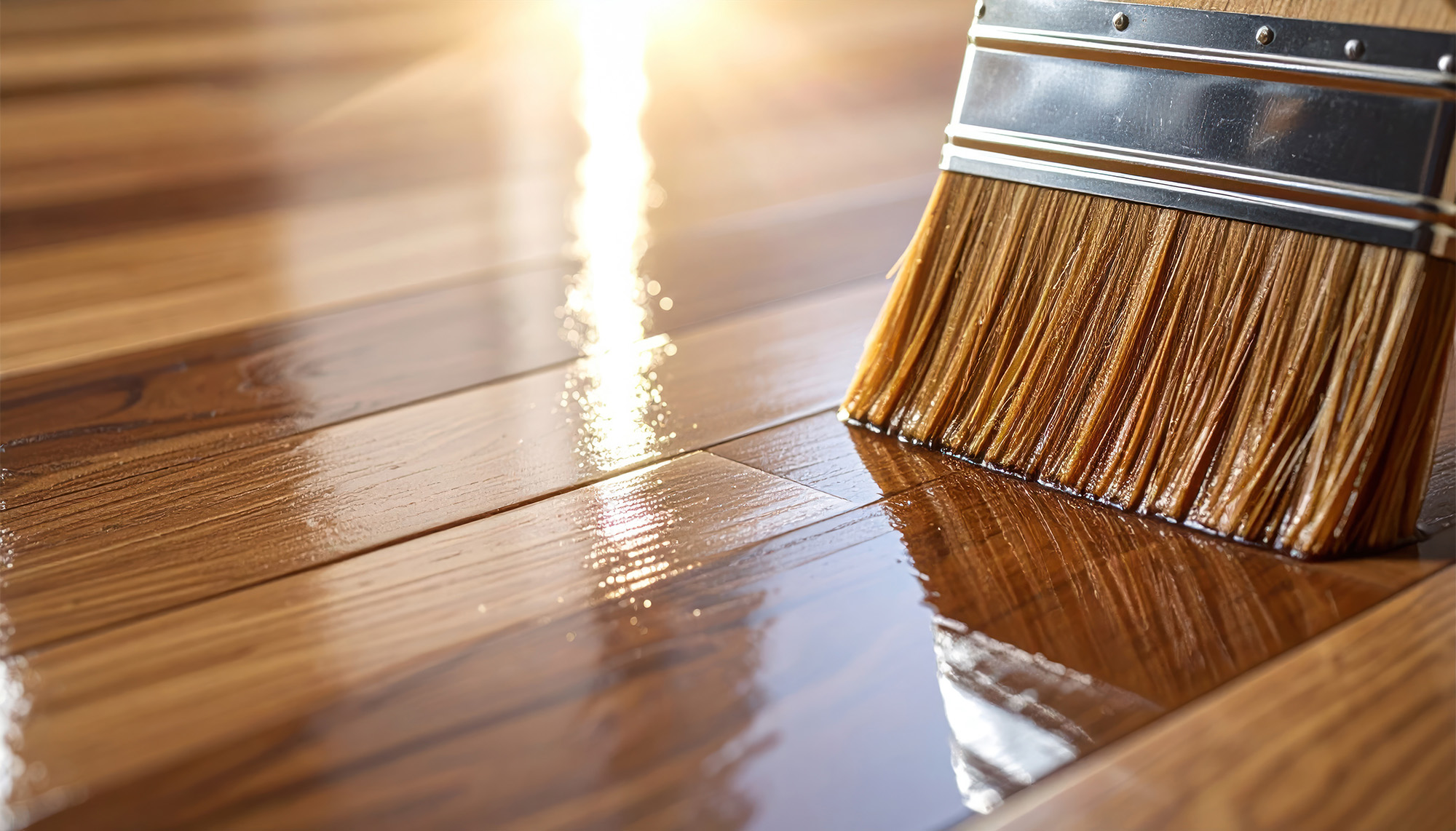
Hardwood floors can remain part of a home's character for decades, but daily life eventually leaves its mark. High-traffic walkways may lose their original sheen, furniture can create scratches, and years of use can make the finish look uneven. When that happens, homeowners often face a practical question: should the existing hardwood be refinished, or is it time to replace it?
The answer depends on more than how the floor looks. The type of wood flooring, the depth of the wear, the condition of the boards, previous refinishing work, and the homeowner's design goals all matter. In Woodbridge and Stafford, Virginia, understanding the difference between refinishing and replacement can help you plan a renovation that makes sense for both your home and your budget.
Before making a decision, take a closer look at what is happening to the floor. Surface wear may be a sign that the finish needs attention rather than an indication that the wood itself has reached the end of its useful life. On the other hand, moisture damage, structural movement, or boards that have already been sanded repeatedly may require a different solution.
What Does Refinishing Hardwood Actually Involve?
Refinishing generally involves preparing the existing wood surface, removing some or all of the old finish as appropriate, and applying a new finish. Depending on the floor's condition and the selected process, the work may also include repairs, sanding, staining, or changes to the final sheen.
The purpose is to renew the appearance of the existing hardwood without removing the entire floor. If the boards are structurally sound and have enough usable wood remaining, refinishing can be an effective way to address worn finishes and many surface-level imperfections.
However, not every hardwood floor can be refinished in the same way. Solid hardwood and engineered hardwood have different constructions. Solid boards are made from a single piece of wood, while engineered boards have a real-wood surface layer over a constructed core. The thickness of that surface layer determines how much sanding may be possible.
Some engineered products are designed to be refinished, while others have a thinner wear layer that limits or prevents conventional sanding. Product specifications and the floor's history should be reviewed before work begins. Never assume that a wood-look surface or every engineered hardwood floor can be sanded like traditional solid hardwood.
When Refinishing May Be the Better Option
Refinishing may be worth considering when the floor has cosmetic wear but remains fundamentally sound. The boards may still be firmly attached, the overall surface may be reasonably level, and the damage may be concentrated in the finish rather than extending deeply into the wood.
The finish looks dull or worn
A hardwood floor can lose its original luster as the finish experiences repeated foot traffic, cleaning, and friction from everyday use. If the boards themselves remain in good condition, renewing the finish may restore a more consistent appearance. A professional assessment can help determine whether a maintenance treatment, screening process, or more extensive refinishing is appropriate.
The color no longer suits the room
Homeowners sometimes want to update a room without replacing materials that are still serviceable. Depending on the species, existing finish, and condition of the wood, refinishing may offer an opportunity to change the stain or sheen. The final result can vary, so samples and a discussion of realistic expectations are important before choosing a new color.
Minor scratches affect the appearance
Light scratches and finish wear may be addressed through an appropriate refinishing process. Deeper gouges, missing wood, or damage that extends through the board require closer evaluation. Refinishing can improve a surface, but it cannot make every damaged plank disappear without repair or replacement.
You want to preserve existing character
Older hardwood may have color variation, grain patterns, and details that contribute to the home's identity. If the floor remains in good condition, refinishing can preserve those original boards while refreshing the surface. This can be especially appealing when the flooring complements original trim, doors, stair details, or other architectural features.
Signs That Replacement Deserves Serious Consideration
There are situations where refinishing alone may not provide a reliable or satisfactory result. If the underlying material has been compromised, applying a new finish will not correct the cause of the problem. A floor should be evaluated for its physical condition before decisions are based on appearance alone.
Moisture has damaged the boards
Water exposure can cause wood to swell, cup, buckle, stain, or deteriorate. The appropriate response depends on the source and extent of the damage. Before replacing or refinishing affected flooring, the moisture source must be identified and addressed. Otherwise, the same problem may damage the new surface.
Boards are loose, severely warped, or deteriorated
Movement, widespread deformation, or damaged boards may point to problems beneath the visible surface. Some issues can be corrected through targeted repairs, but widespread damage may make replacement more practical. The subfloor and installation system should be inspected so the new floor does not simply cover an unresolved problem.
The floor has limited material remaining
Previous sanding can reduce the amount of wood available for future refinishing. This is particularly important for engineered hardwood, where the usable surface layer varies by product. If too little material remains, another full sanding may not be possible. A flooring professional can help assess the construction and determine whether repair, a different restoration method, or replacement is appropriate.
The layout or design needs a complete change
Sometimes the existing floor is in reasonable condition but no longer suits the renovation. Homeowners may want a different board width, a new installation pattern, or a more substantial change in appearance. Refinishing can alter color and sheen within certain limits, but it will not change the physical dimensions of the boards or correct an unsuitable layout.
Understand the Difference Between Surface Wear and Structural Problems
One of the most useful steps is identifying whether the issue is cosmetic or structural. A dull finish, small surface scratches, and some discoloration may be mostly aesthetic. Loose boards, pronounced movement, widespread buckling, soft or deteriorated areas, and persistent moisture concerns require more investigation.
Listen for changes in how the floor responds underfoot and observe whether the problem is limited to one area or spread across the room. These clues do not provide a definitive diagnosis, but they can help guide the inspection. Squeaking, for example, may be related to movement between flooring components or the subfloor; it does not automatically mean the entire floor needs to be replaced.
Similarly, gaps between boards may have several causes, including seasonal changes in wood moisture content, installation conditions, or other movement. The right solution depends on the pattern, severity, and history of the issue. Avoid filling or covering a recurring gap before understanding why it appears.
How Wood Species and Construction Affect the Decision
Hardwood floors vary in species, board construction, thickness, and finish. These differences influence the options available for restoration. Solid hardwood generally has a different refinishing potential from engineered hardwood, while the condition and thickness of the usable surface can vary within both categories.
Oak, maple, hickory, and other species also respond differently to stain and finish. Grain structure, natural color, and surface characteristics can influence how a refinished floor looks. If a dramatic color change is part of the plan, discuss the specific wood species and test the proposed finish on a suitable sample or inconspicuous area when possible.
For engineered flooring, identify the product if documentation is available. Installation records, leftover material, product labels, or manufacturer details can help establish the wear-layer specifications and care limitations. When the exact product is unknown, a qualified professional may be able to assess the visible construction and advise on the next step, although some details may remain uncertain without documentation.
Compare the Full Cost of Refinishing and Replacement
Refinishing is often considered because it can preserve existing material, but it should not automatically be assumed to be the least expensive choice in every situation. The cost depends on the floor's condition, the area involved, the required preparation, repairs, selected finish, and access to the work area.
Replacement has its own range of costs. Removing the existing floor, preparing the subfloor, purchasing new material, installing transitions and trim, and moving furniture may all contribute to the total. If the subfloor requires repair or the new layout creates additional work, the project scope can increase.
When comparing estimates, make sure they describe similar work. One proposal may include board repairs, stain sampling, and finish coats, while another may cover only basic surface preparation and refinishing. Replacement estimates should identify the flooring product, removal requirements, subfloor preparation, installation method, and finishing details.
Ask about the expected timeline and how the work will affect access to the room. Refinishing can involve sanding, dust control, finish application, ventilation, and drying or curing periods. Replacement may require removing furniture and managing transitions to adjacent rooms. The most convenient option depends on the household's schedule as well as the budget.
Think About Your Home's Future Design
A flooring decision should work with the renovation as a whole. If you plan to update cabinetry, paint, lighting, or furniture, consider whether the existing hardwood can be adjusted to complement those changes. A new stain may provide the visual update you want without requiring a completely new floor, provided the wood is suitable for refinishing.
If you are planning a larger remodel, replacement may offer more control over board width, color, installation pattern, and the way the floor connects to other spaces. It may also make sense if the existing material is damaged or inconsistent across adjoining rooms. The objective is not to choose the newest product automatically, but to select an option that supports the long-term plan for the home.
Think carefully about how the floor will meet stairs, thresholds, tile, carpet, and other existing surfaces. A new floor may have a different thickness from the old one, affecting door clearance and transitions. These details should be considered before installation rather than left until the end of the project.
How to Prepare for a Hardwood Flooring Assessment
Before requesting an evaluation, make a note of the floor's age if known, the areas where wear is most visible, any history of water exposure, and previous refinishing work. Take photographs of the most affected sections and note whether problems appear seasonally or after particular events.
If possible, locate any paperwork that identifies the flooring product. Information about solid or engineered construction, the manufacturer, and the installation date can help clarify which restoration options may be available. Be sure to mention if the floor has been refinished before, because that history can affect the recommendations.
It is also useful to explain your priorities. You may want to preserve the existing wood, change the color, minimize disruption, address specific damaged areas, or coordinate the floor with a larger remodel. A clear understanding of your goals helps guide a practical discussion of the available options.
Explore Hardwood Options With First American Carpet & Floors
Refinishing and replacement serve different purposes. Refinishing can renew a suitable existing floor and preserve the wood already in your home, while replacement may be the better choice when the boards are too damaged, have limited refinishing potential, or no longer meet your design needs. A careful assessment is the best way to distinguish between the two.
Homeowners in Woodbridge and Stafford, VA, can explore hardwood flooring options from First American Carpet & Floors when planning a renovation or considering a new floor. If you would like to discuss your project and the choices available, contact First American Carpet & Floors. Taking time to evaluate the existing floor, understand the construction, and compare the complete project scope can help you make a confident decision for your home.


